
What the AI can and can't see
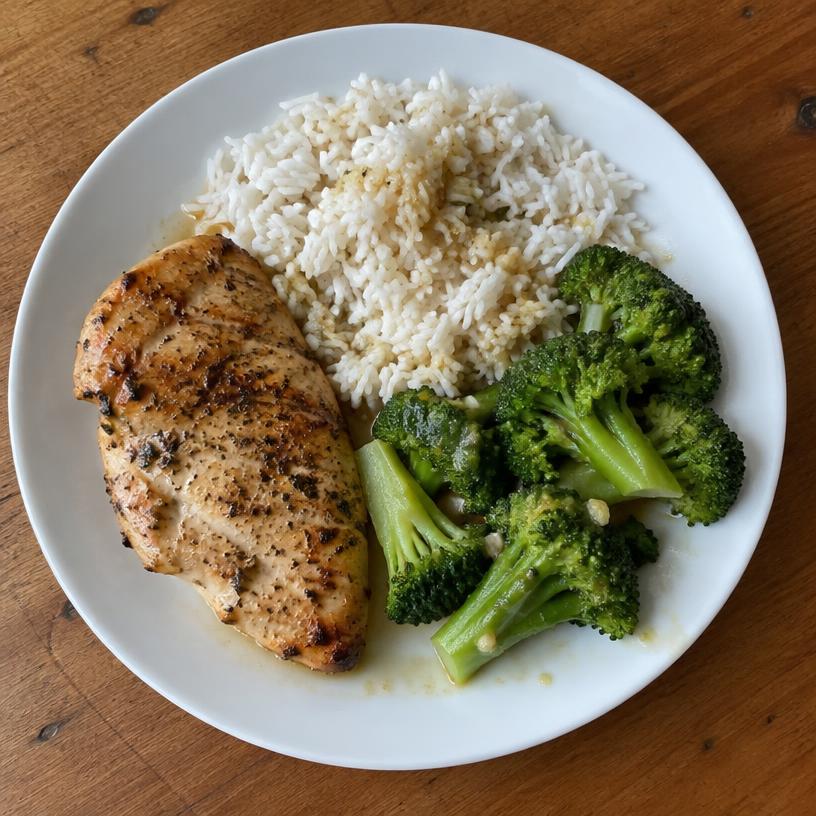
A photo shows the food, the plate and roughly how much is on it. That's enough for a good estimate of most meals: a bowl of pasta, a salad, a burger and fries.
It can't see what's hidden. Oil in the pan, butter in the sauce and sugar in a drink are the usual gaps. A short caption closes most of them, for example "cooked in two tablespoons of oil".
How accurate is photo calorie tracking?
It's an estimate, and so is every other method most people use. A 2025 systematic review in the British Journal of Nutrition looked at 13 studies of AI dietary assessment and found estimates often correlated well with measured intake, while also noting that study quality varied.
In practice the bigger factor is consistency. Logging every meal roughly is more useful than weighing food for two weeks and then quitting.
Packaged food and labels
There is no barcode scanner. Photograph the nutrition label instead and say how much you had. The bot reads the values from the label and scales them to your portion.
Your photos stay in your log
Meal photos are stored privately with your log, so you can look back at what you ate on any day in your personal dashboard. Nobody else can see them.
Try myCalCoach for 3 days
Then $9.99 a month (€9.99 in Europe). No card for the trial, cancel any time.
Common questions
Is there a free AI calorie counter from a photo?
myCalCoach is free for 3 days, no card needed. After that it costs $9.99 a month.
Do I need to install an app?
No. It runs inside Telegram, which you can use on iPhone, Android, desktop or in the browser.
Can it handle meals with several items?
Yes. It splits the plate into items, such as chicken, rice and salad, and estimates each one.
What if the estimate is wrong?
Reply in plain words, like "that was a double portion". The bot corrects the logged values.
More ways to log
By Daniel Gaschka, founder of myCalCoach. Estimates are for general information and are not medical advice.